
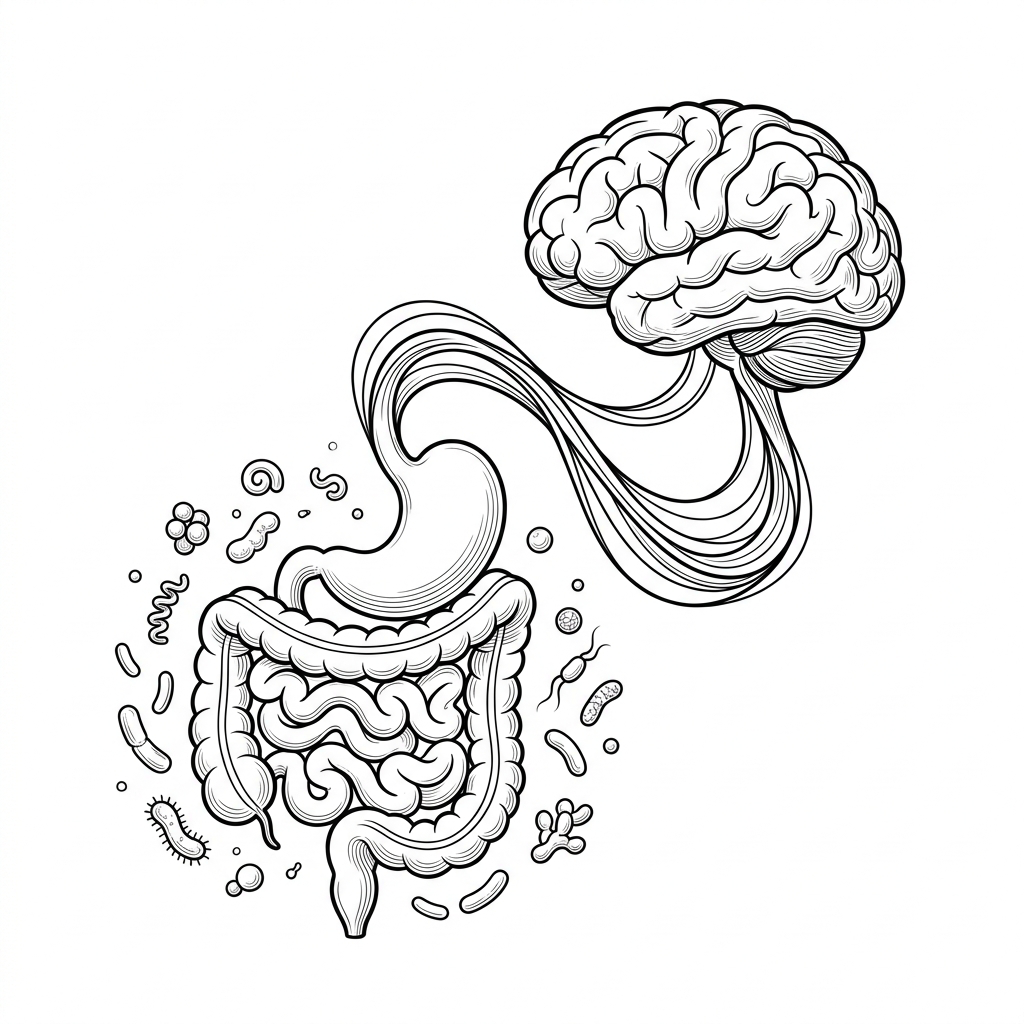
Most people think about their gut only when something goes wrong.
Maybe it's bloating after meals.
Maybe it's reflux that keeps showing up at night.
Maybe it's constipation, unpredictable digestion, or a stomach that
never quite feels right.
But what if your gut was influencing far more than your
digestion?
What if the ecosystem living inside your digestive tract was also
affecting your immune system, your metabolism, your stress response, and
even the way your brain communicates with the rest of your body?
That may sound surprising, but it's exactly why gut health has
become one of the fastest-growing areas of medical research.
Your Gut Is More Than A Digestive Organ
For decades, scientists viewed the digestive tract primarily as a
system for breaking down food and absorbing nutrients.
Today, we know it does much more.
Research shows that the gut is in constant communication with the
immune system, the brain, and the metabolic systems that regulate
energy, weight, and blood sugar.¹⁻⁶
In many ways, the gut acts as a communication hub.
What happens in the gut doesn't necessarily stay in the gut.
Meet The Microbiome
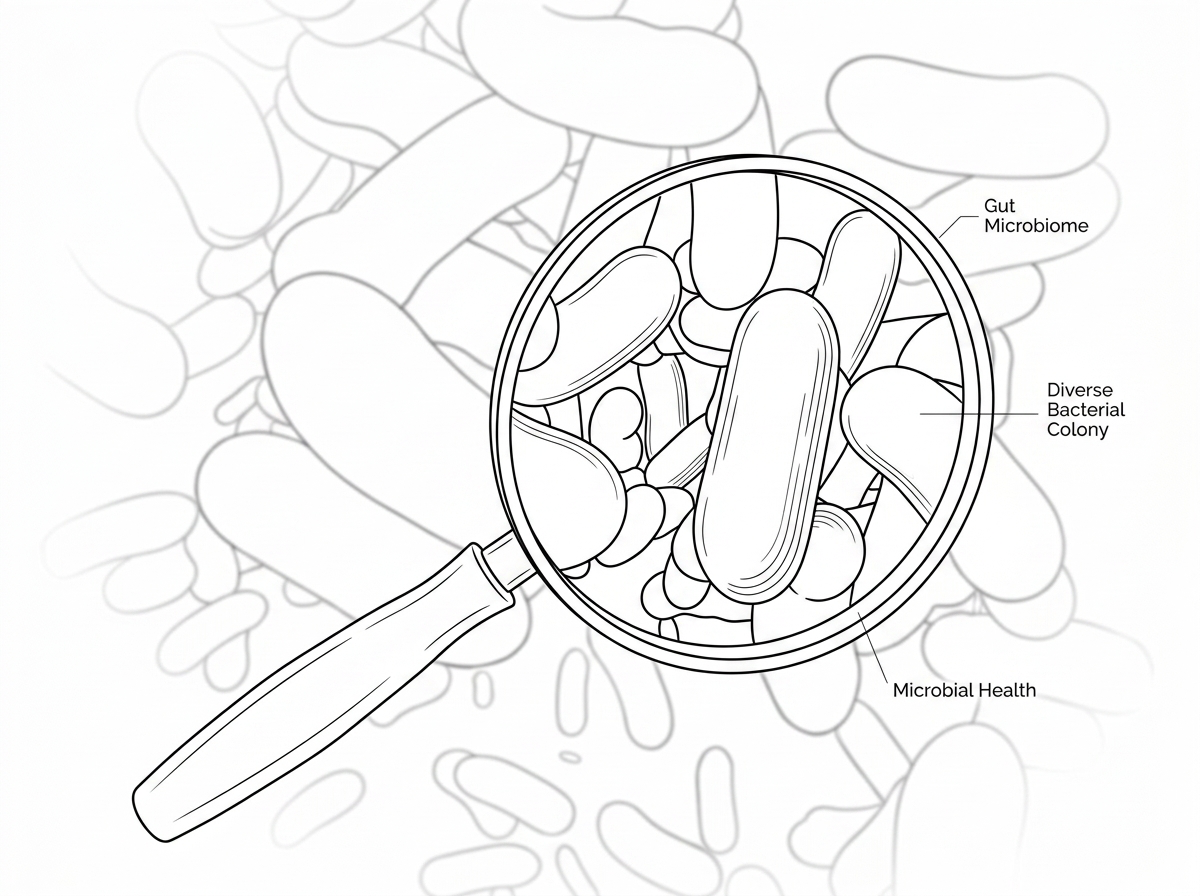
Inside your digestive tract lives a vast ecosystem of bacteria, fungi,
viruses, and other microorganisms known as the gut microbiome.
These microbes help digest food, produce beneficial compounds, support
the intestinal barrier, regulate immune activity, and communicate with
the nervous system.¹⁻³
Researchers now understand that the microbiome influences far more than
digestion alone.
It may play a role in everything from inflammation and immune
regulation to metabolism and the gut-brain axis.
The Gut And The Immune System
One of the most surprising discoveries in modern medicine is how
closely the gut and immune system are connected.
Approximately 70% of immune tissue is located within and around the
digestive tract.¹⁰
Every meal you eat, every antibiotic you take, every night of poor
sleep, and every period of chronic stress has the potential to influence
the environment these microbes live in.
That's one reason researchers are paying so much attention to the
microbiome.
The Gut And The Brain
Have you ever felt butterflies before a presentation?
Lost your appetite during a stressful season of life?
Or noticed that anxiety seems to affect your digestion?
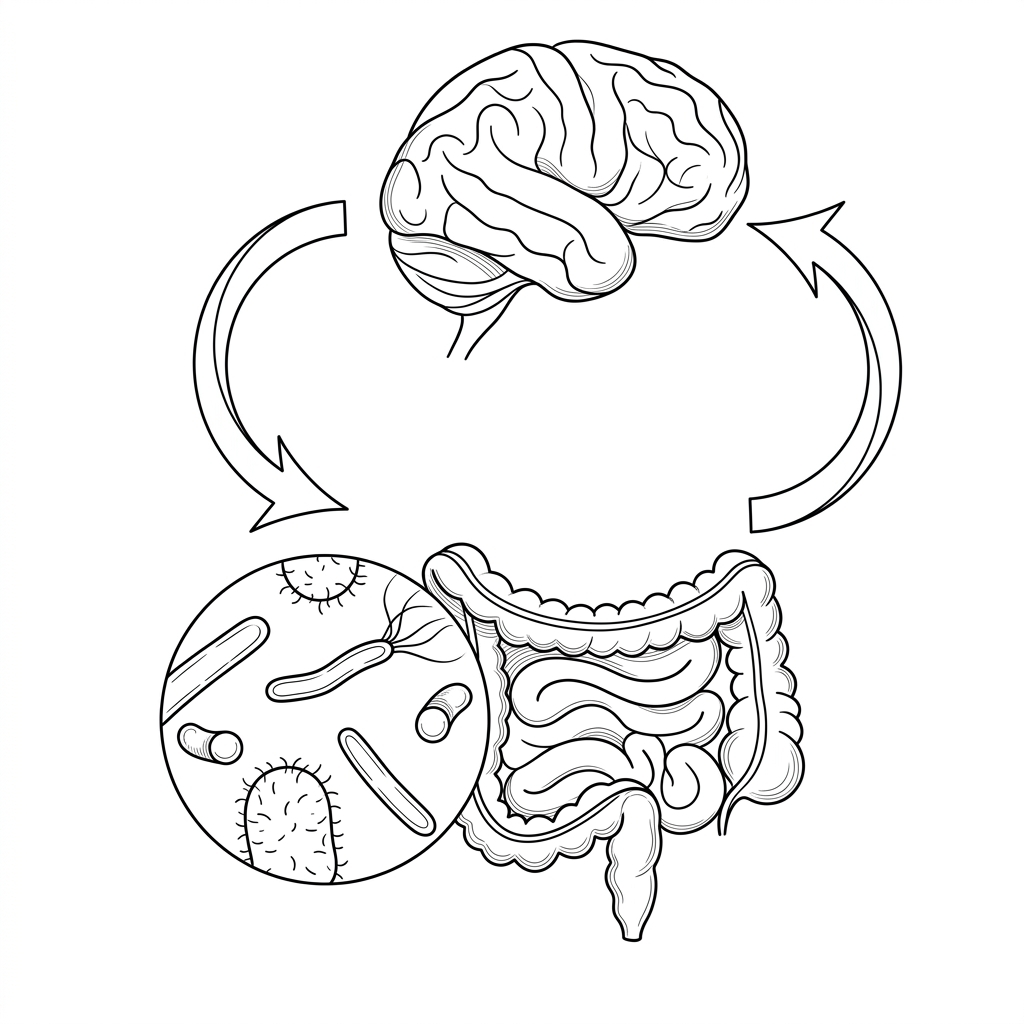
That's the gut-brain axis in action.
The gut and brain are constantly communicating through nerves,
hormones, immune signals, and compounds produced by gut
microbes.²˒⁴˒⁵
Researchers continue to investigate how this relationship influences
stress, mood, cognition, and overall well-being.
Why This Matters
The more scientists study the gut, the clearer it becomes that
digestive health is connected to many aspects of overall health.
This doesn't mean every disease starts in the gut.
But it does mean the gut is involved in far more than digestion.
Understanding how the microbiome, immune system, brain, metabolism, and
digestive tract interact may be one of the most important frontiers in
modern health research.
And we're only beginning to understand the full story.
Want To Go Deeper?
This article only scratches the surface.
For a deeper dive into the science of the microbiome, the gut-brain
axis, immunity, metabolism, intestinal permeability, and the latest
research on gut health, read our complete resource:
Why Your Gut Affects Everything: The Complete Guide to Gut Health,
Microbiome Science, and Systemic Wellness
[LINK TO RESOURCE GUIDE]
REFERENCES
Verified references:
- Park JC, Chang L, Kwon HK, Im SH. Beyond the gut: decoding the
gut–immune–brain axis in health and disease. Cell Mol Immunol. 2025;22(11):1287–1312. → Nature · PMC
- Appleton J. The Gut-Brain Axis: Influence of Microbiota on Mood and
Mental Health. Integr Med (Encinitas). 2018;17(4):28–32. PMID: 31043907. → PMC
- Sanz Y, Cryan JF, Veiga P, et al. The gut microbiome connects
nutrition and human health. Nat Rev Gastroenterol Hepatol. 2025;22(8):534–555. → Nature · PubMed
- Loh JS, et al. Microbiota–gut–brain axis and its
therapeutic applications in neurodegenerative diseases. Signal Transduct Target Ther. 2024;9(1):37. → Nature · PMC
- O'Riordan KJ, Moloney GM, Keane L, Clarke G, Cryan JF. The gut
microbiota–immune–brain axis: Therapeutic implications. Cell Rep Med. 2025;6(3):101982. → Cell Reports Medicine · PMC
- Zhang R, Ding N, Feng X, Liao W. The gut microbiome, immune
modulation, and cognitive decline: insights on the gut-brain axis. Front Immunol. 2025;16:1529958. → Frontiers · PMC
- Ullah H, et al. Crosstalk between gut microbiota and host immune
system and its response to traumatic injury. Front Immunol. 2024;15:1413485. → Frontiers · PMC
- Warren A, Nyavor Y, Zarabian N, Mahoney A, Frame LA. The
microbiota-gut-brain-immune interface in the pathogenesis of
neuroinflammatory diseases: a narrative review. Front Immunol. 2024;15:1365673. → Frontiers · PMC
- Quigley EMM. Gut Bacteria in Health and Disease. Gastroenterol Hepatol (N Y). 2013;9(9):560–569. → Journal · PMC
- Balakrishnan R, et al. Gut Microbiota-Immune System Interactions in
Health and Neurodegenerative Diseases: Insights into Molecular
Mechanisms and Therapeutic Applications. Aging Dis. 2024. doi:10.14336/AD.2024.1362. → Aging and Disease · PMC
- Sun X, et al. Unlocking gut-liver-brain axis communication
metabolites: energy metabolism, immunity and barriers. npj Biofilms Microbiomes. 2024;10:140. → Nature · PMC
- Schneider E, O'Riordan KJ, Clarke G, Cryan JF. Feeding gut
microbes to nourish the brain: unravelling the
diet–microbiota–gut–brain axis. Nat Metab. 2024;6:1454–1478. → Nature
- Aburto MR, Cryan JF. Gastrointestinal and brain barriers: unlocking
gates of communication across the microbiota–gut–brain
axis. Nat Rev Gastroenterol Hepatol. 2024;21(4):222–247. → Nature
Paula's references
- Park JC, et al. Beyond the gut: decoding the gut-immune-brain axis in
health and disease. Cellular & Molecular Immunology.
2025;22(11):1287-1312. doi:10.1038/s41423-025-01333-3 - Appleton J. The Gut-Brain Axis: Influence of Microbiota on Mood and
Mental Health. Integrative Medicine. 2018;17(4):28-32. PMID:
31043907 - Sanz Y, Cryan JF, Veiga P. The gut microbiome connects nutrition and
human health. Nature Reviews Gastroenterology & Hepatology.
2025. - Loh JS, et al. Microbiota-gut-brain axis and its therapeutic
applications. Signal Transduction and Targeted Therapy. 2024. - O'Riordan KJ, et al. The gut microbiota-immune-brain axis:
Therapeutic implications. 2025. - Zhang R, et al. The gut microbiome, immune modulation, and cognitive
decline. Frontiers in Immunology. 2025. - Ullah H, et al. Crosstalk between gut microbiota and host immune
system. Frontiers in Immunology. 2024. - Warren A, et al. The microbiota-gut-brain-immune interface. Frontiers
in Immunology. 2024. - Quigley EMM. Gut microbiome and health. Gastroenterology. Review
articles. - Balakrishnan R, et al. Gut Microbiota-Immune System Interactions in
Health and Disease. 2024. - Sun X, et al. Unlocking gut-liver-brain axis communication and
metabolism. npj Biofilms and Microbiomes. 2024. - Schneider E, O'Riordan KJ, Cryan JF. Feeding gut microbes to
nourish the brain: unravelling the diet-microbiota-gut-brain axis.
Nature Metabolism. 2024. - Sanz Y, Cryan JF, Veiga P. Diet, microbiome, and cardiometabolic
health. Nature Reviews Gastroenterology & Hepatology. 2025. - Aburto MR, Cryan JF. Gastrointestinal and brain barriers: unlocking
gates of communication across the microbiota-gut-brain axis. Nature
Reviews Gastroenterology & Hepatology. 2023.